
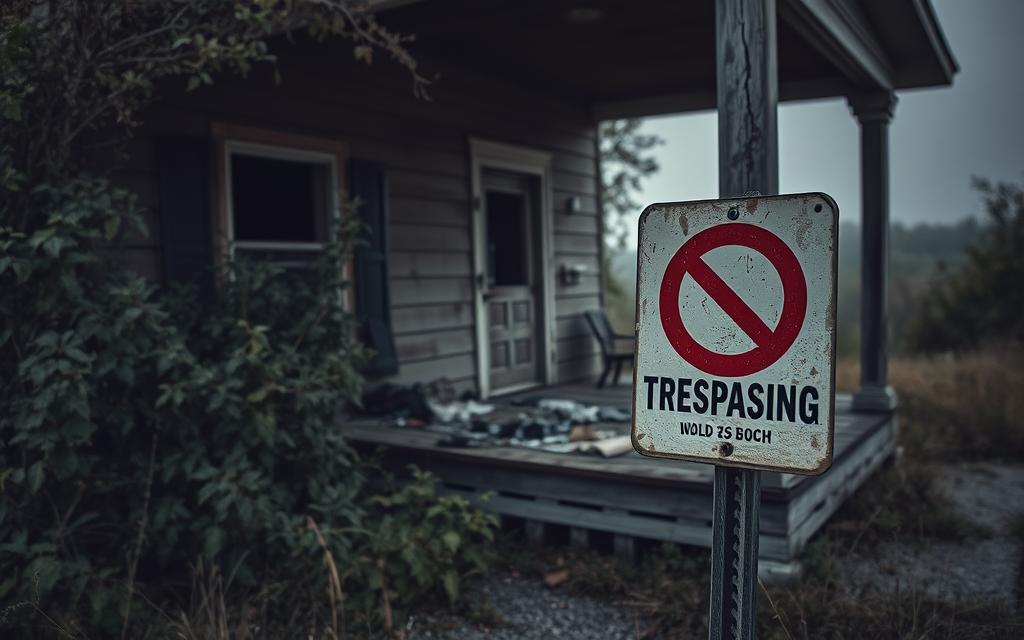

Imagine discovering boxes, furniture, or personal items lingering on your premises long after a tenant, guest, or former resident has moved out. Who owns these objects? When does responsibility shift to the property owner? Navigating the legal maze surrounding abandoned items requires careful attention to state laws and tenant rights.
State regulations dictate how long owners must store unclaimed possessions before taking action. For example, Texas allows landlords to dispose of low-value items quickly but mandates auctions for valuables. California provides tenants 15 days to retrieve belongings after eviction. These timelines protect both parties but demand strict compliance.
Understanding the difference between abandoned and temporarily stored items is critical. Landlords must follow precise steps—like documenting inventory and sending notices—to avoid legal pitfalls. Even permanent fixtures or vehicles require special handling, often involving local authorities.
This article breaks down statutory holding periods, tenant-landlord obligations, and practical strategies for resolving these situations lawfully. Whether you’re a homeowner or property manager, knowing your rights ensures fairness and minimizes disputes.
Key Takeaways
- State laws vary widely, with holding periods ranging from 2 days to 30 days.
- Landlords must provide written notices detailing storage costs and retrieval deadlines.
- High-value items often require public auctions, while low-value goods can be discarded.
- Tenants retain rights to reclaim possessions within statutory windows after eviction.
- Motor vehicles and fixtures typically involve local government protocols for removal.
Understanding Abandoned Property and Legal Considerations
When items remain unclaimed on a premises, state law determines whether they’re considered abandoned. This distinction shapes rights and obligations for both landlords and occupants.
What Qualifies as Abandoned Personal Property?
Abandoned personal property refers to possessions left with no intent to reclaim them. Courts assess factors like unpaid rent duration or missing contact attempts. For example, Florida defines abandonment after 15 days of tenant absence without payment.
Temporarily stored items differ—owners might leave furniture during renovations but maintain communication. Landlords can’t assume ownership without clear evidence of relinquishment.
Rights and Risks Under Property Law
State statutes outline strict protocols. Landlords must send a notice detailing storage costs and retrieval deadlines. Florida requires written alerts sent to the tenant’s last known address.
Mishandling items risks liability. Selling a $500 designer couch without proper auction procedures could lead to lawsuits. Conversely, discarding low-value belongings after 30 days typically complies with regulations.
These rules protect tenants from sudden loss while giving property owners pathways to reclaim space lawfully. Always document interactions and follow local guidelines precisely.
how long can someone leave their belongings on your property: Legal Timeframes and Implications
State laws create distinct timelines for addressing items left behind after tenancy ends. These rules prevent hasty disposals while protecting space recovery needs. A 30-day abandonment period is often misunderstood—actual deadlines range from 14 days to three years depending on location.

Statutory Periods and State Regulations
Alabama permits immediate disposal 14 days after lease termination. Alaska mandates 15-day storage with written notice, while Arizona allows perishables to be discarded instantly. California requires 15-18 days for tenant retrieval, and Texas labels possessions abandoned only after three years of no contact.
Distinctions Between Tenant and Owner Rights
Tenants maintain ownership during statutory periods, but landlords control storage terms. High-value personal property like electronics often requires public auctions—California demands this for items worth $700+. In Arkansas, owners can remove low-value goods immediately without liability.
Practical Steps Following Abandonment
Follow this process to stay compliant:
- Document all items with photos and descriptions
- Send dated written notices via certified mail
- Store property securely until deadlines pass
For example, a California landlord must publish auction details in local newspapers before selling valuables. Always deduct storage fees from sale proceeds and forward leftovers to county offices when required.
Landlord Responsibilities and Managing Unclaimed Belongings
Property owners must balance legal obligations with practical steps when managing items left behind. Clear protocols exist to protect both parties while resolving storage disputes efficiently.
Notice Protocols and Secure Storage
Written notice serves as the foundation of lawful handling. Most states require certified mail alerts detailing:
- Storage location and access hours
- Retrieval deadlines (often 15-30 days)
- Fees for delayed claims
Massachusetts mandates licensed storage within 20 miles of the rental property. Always create an inventory list with photos before moving items.
Legal Disposal and Financial Recovery
After the statutory period expires, follow state-specific sale procedures:
| State | Sale Method | Proceeds Handling |
|---|---|---|
| California | Public auction | Deduct fees, return balance |
| Texas | Private sale allowed | Keep surplus after costs |
| Florida | Donation permitted | No financial recovery |
High-value personal property like jewelry often requires newspaper ads announcing auctions. Always document every step to avoid liability claims. For complex cases, consult state-specific guidelines.
Landlords must store possessions securely but aren’t insurers against damage. Use climate-controlled units for sensitive items and maintain access logs. When deadlines pass, dispose of low-value goods through certified recyclers.
Conclusion
Navigating the complexities of abandoned belongings hinges on understanding state-specific protocols. Landlords and tenants each have distinct rights under property law, from retrieval deadlines to disposal methods. Strict adherence to written notice requirements and statutory holding periods remains critical to avoid disputes.
Landlords must document items, send alerts via certified mail, and store personal property securely. High-value goods often require auctions, while low-value belongings may be discarded after mandated timelines. Tenants retain ownership rights during these windows but risk forfeiture if deadlines pass.
Timely action protects both parties. For example, California allows 18 days for retrieval post-eviction, with auctions required for valuables over $700. Always consult local regulations to ensure compliance when managing unclaimed property.
By following proper legal steps for handling abandoned personal, landlords safeguard their interests while respecting tenant rights. Prioritize clear communication, thorough documentation, and lawful disposal to resolve these situations fairly.

